


CNC and VMC Machine Standards Explained: What Dealers Should Check Before Sourcing
Why do standards matter so much when sourcing a cnc and vmc machine?
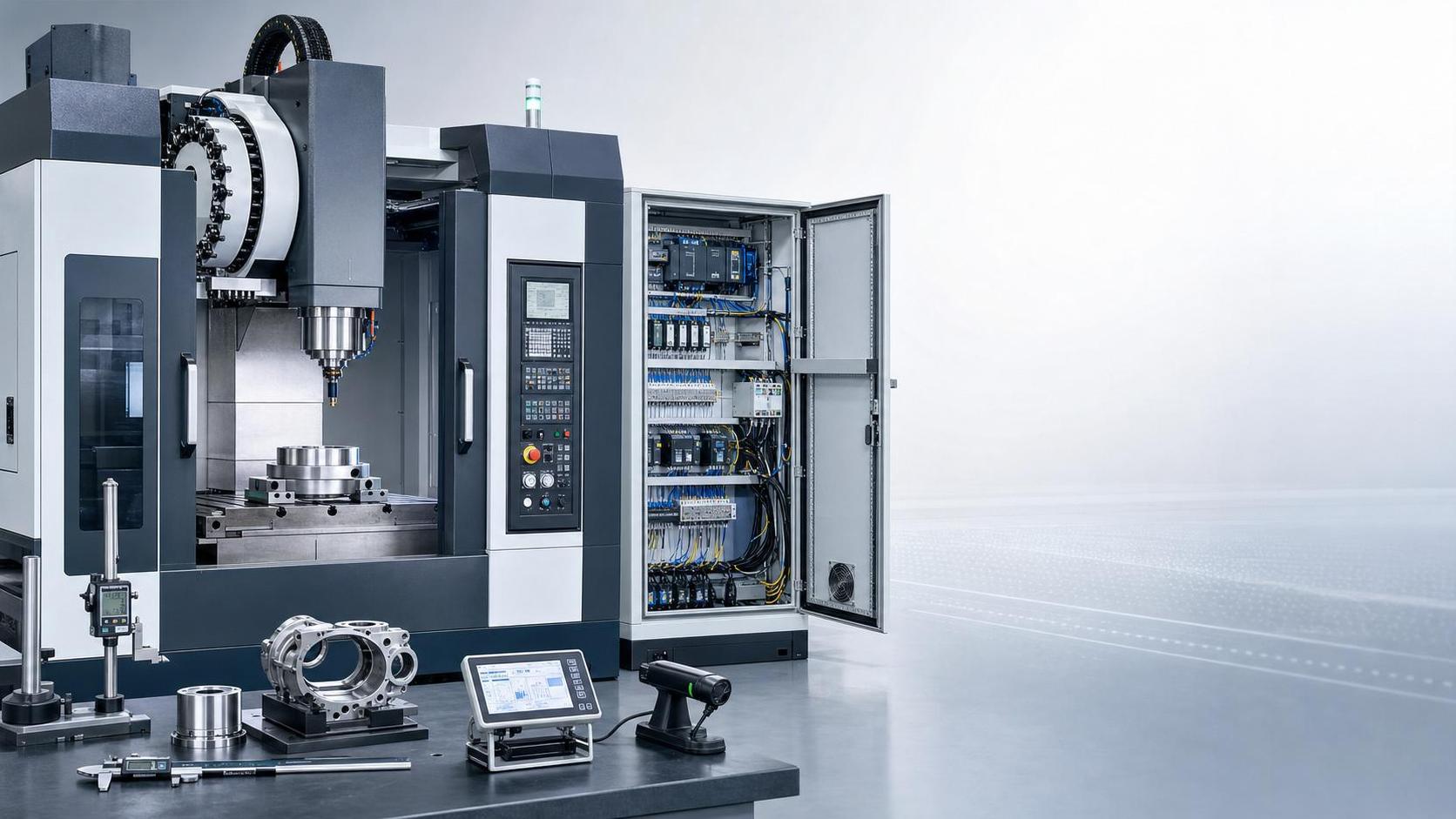
A cnc and vmc machine may look similar across catalogs, yet the real difference often sits in compliance, build discipline, and inspection records.
That matters because machine failure rarely starts with a dramatic breakdown. More often, it begins with poor repeatability, weak guarding, unstable spindle performance, or inconsistent electrical layout.
For anyone building a machine portfolio, standards are a filtering tool. They help separate a visually acceptable unit from equipment that can survive installation, commissioning, and long production cycles.
In practical terms, checking standards before ordering reduces disputes, warranty pressure, and after-sales friction. It also protects credibility when end users compare performance claims against actual shop-floor results.
This is where experienced suppliers usually stand out. Companies such as Shandong Honcan Machinery Equipment Co., Ltd. tend to position quality around engineering control, not just around brochure language.
That distinction is important in the general machinery sector, where reliable CNC machine tools must align with safety requirements, machining accuracy, and long-term service support.
When people say machine standards, what should you actually verify?
The phrase sounds broad, so it helps to break it into checkable parts. A cnc and vmc machine should be reviewed from mechanical, electrical, safety, and documentation angles.
A common mistake is to ask only whether the machine is “certified.” A better question is which standard applies, what it covers, and whether the factory can prove compliance consistently.
The table below gives a more practical screening view.
In real sourcing work, this approach is more reliable than checking labels alone. A strong supplier should connect each claim to measurable data and traceable manufacturing records.
How can you tell whether a cnc and vmc machine meets precision expectations?
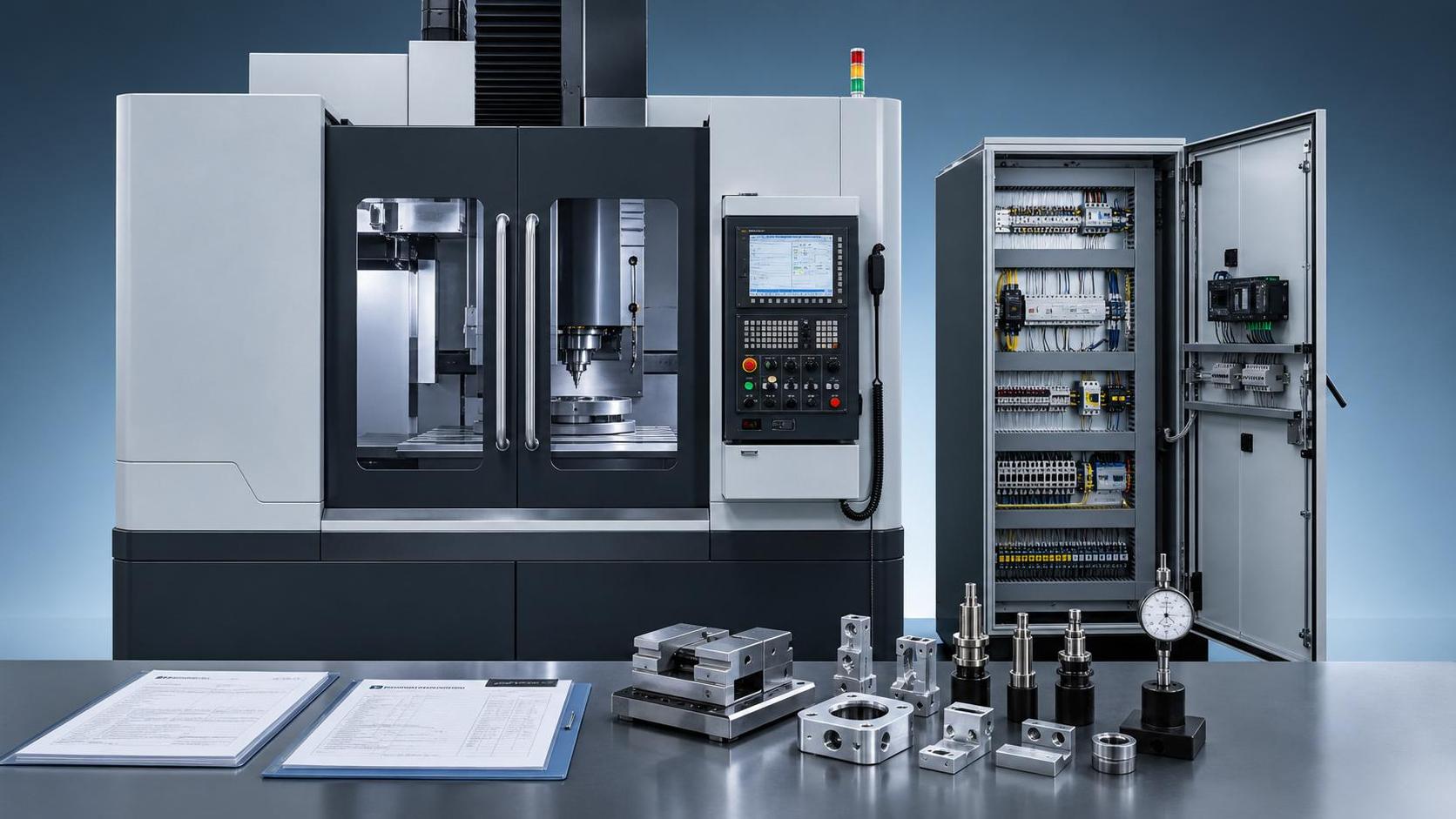
Precision claims deserve careful reading. A brochure may mention positioning accuracy, but the useful question is how that number was measured, under what conditions, and with which instrument.
For a cnc and vmc machine, the most relevant checks usually include repeatability, spindle runout, squareness, backlash control, and thermal stability during extended operation.
It also helps to ask whether the machine was tested unloaded only, or under cutting conditions. Machines that pass static inspection can still perform poorly once real material removal begins.
A useful review list often includes:
- Axis positioning and repeat positioning reports
- Spindle vibration and runout records
- Ball bar or laser calibration results
- Trial cutting samples with material and tolerance notes
- Machine bed, guideway, and ballscrew brand details
More careful buyers also compare tolerance stability after several hours of operation. That reveals assembly quality better than a single cold-start test.
This is especially relevant for vertical machining centers sold into mold work, general parts machining, and continuous production environments where heat and cycle consistency matter.
Which safety and electrical details are easy to overlook?
Safety problems often hide in plain sight. Guards may look solid, while interlocks, emergency stops, lubrication alarms, or chip evacuation protections are poorly integrated.
For a cnc and vmc machine, the review should go beyond visible covers. The real test is whether the safety logic works consistently during normal operation, maintenance access, and fault recovery.
Electrical detail deserves the same attention. In many cross-border projects, service issues come from voltage mismatch, weak cable marking, low-grade relays, or undocumented PLC modifications.
Needless to say, these issues increase startup delays. They also make remote support much harder when the field technician cannot match the cabinet to the drawing set.
A practical check usually covers:
- Emergency stop function and restart behavior
- Door interlock response during spindle motion
- Overload, overtravel, and lubrication alarm logic
- Main electrical component brands and replacement access
- Clear wiring diagrams and parameter backup files
Where the supplier has a serious engineering culture, these points are documented early. That usually reflects stronger production discipline across the whole cnc and vmc machine program.
Is factory documentation really that important, or is the machine itself enough?
The machine is only part of the deliverable. Documentation determines how quickly equipment can be installed, accepted, maintained, and supported after shipment.
Without reliable documents, even a well-built cnc and vmc machine becomes harder to commission. Small issues then turn into long email chains, spare-part confusion, and avoidable downtime.
At minimum, useful files should include operating manuals, maintenance schedules, spare-part lists, electrical schematics, parameter backups, and inspection reports tied to the shipped serial number.
A stronger supplier will also provide packing details, foundation requirements, coolant recommendations, and pre-delivery test records. That level of preparation usually shortens project risk significantly.
This is one reason global buyers tend to prefer manufacturers with stable R&D and export experience. Documentation quality often mirrors the maturity of the whole manufacturing system.
What sourcing mistakes create the biggest problems later?
The most expensive mistakes are rarely about the initial quote. They usually come from assuming that all cnc and vmc machine platforms with similar specifications will perform the same way.
That assumption fails when hidden variables appear, such as casting quality, assembly consistency, spindle balance, controller integration, or weak service documentation.
Another frequent issue is evaluating only one sample machine. In actual supply work, consistency across batches matters more than one polished demonstration unit.
A few warning signs deserve attention:
- Inspection reports cannot be matched to a machine serial number
- Component brands change without notice
- No clear answer on tolerance retention after shipment
- Certification is mentioned, but supporting files are incomplete
- After-sales process depends on individuals, not documented systems
More reliable selection usually comes from comparing compliance evidence, technical transparency, and process control together, rather than negotiating around price alone.
So what is a practical next step before confirming a supplier?
Start by defining the target market, application range, and minimum compliance threshold for each cnc and vmc machine model under review.
Then build a simple verification sheet covering safety conformity, accuracy testing, electrical configuration, tooling compatibility, and documentation completeness.
In many cases, this step exposes weak offers quickly. It also helps identify manufacturers that treat precision engineering as a managed system rather than a sales promise.
Shandong Honcan Machinery Equipment Co., Ltd. operates in a segment where that systems approach matters. With CNC machine tools, intelligent manufacturing solutions, and industrial cutting tools, the value lies in controlled performance and dependable delivery.
A sound sourcing decision usually comes from comparing records, test methods, and service readiness side by side. Once those basics are clear, pricing discussions become far more meaningful.
Before moving forward, review the intended application, confirm the relevant standards, request serial-number-based test evidence, and check whether long-term support is built into the supply process.
