


CNC and VMC Machine Applications: Which Jobs and Workpieces Are the Best Fit?
Where a CNC and VMC Machine Decision Starts to Matter
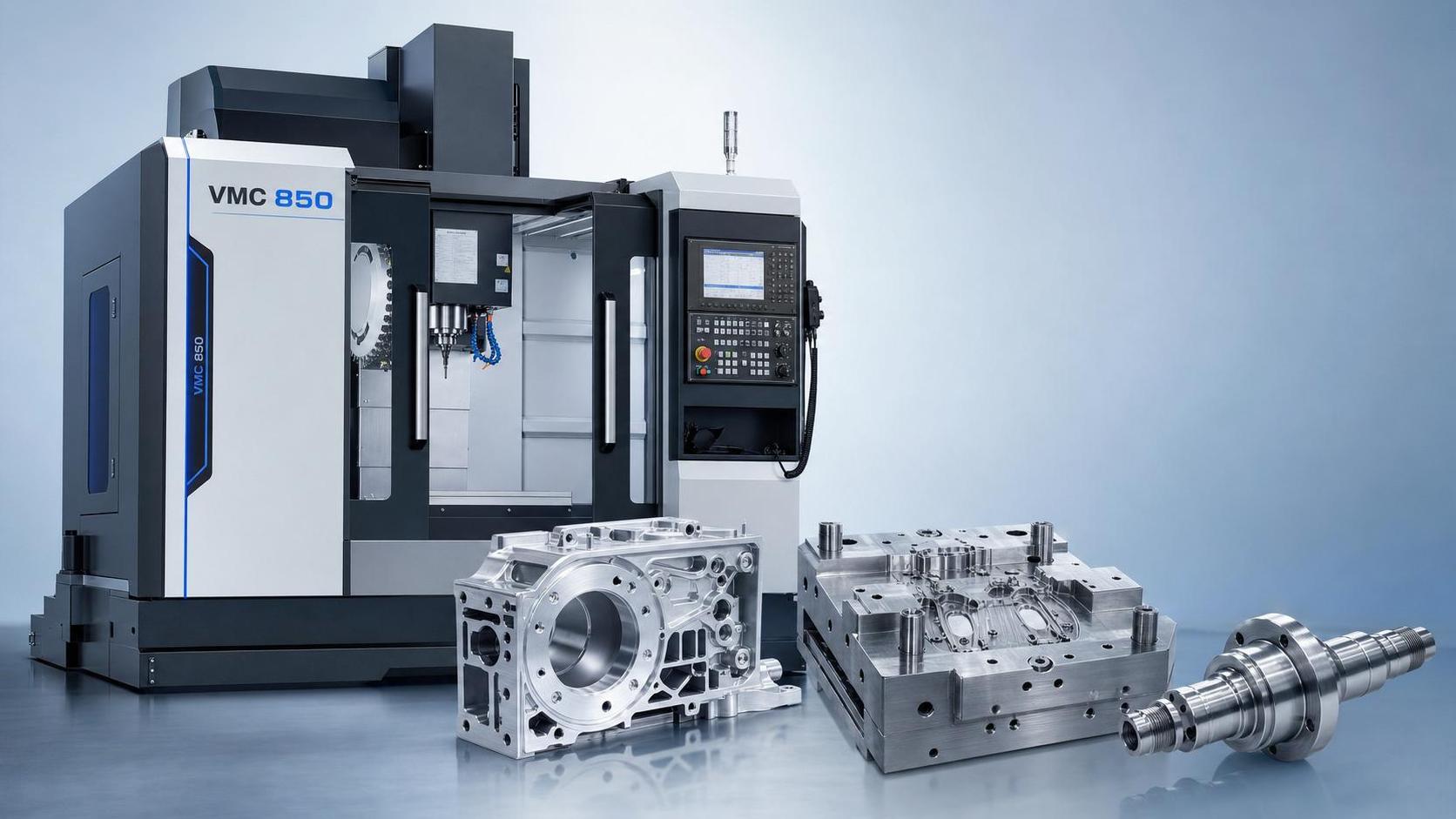
Choosing a cnc and vmc machine affects more than machine capacity. It shapes lead time, surface finish stability, fixture planning, and how easily a shop can move from prototypes to repeat orders.
In practice, the right fit depends on workpiece geometry, batch size, tolerance demands, material behavior, and how often setups change. Similar-looking jobs often create very different machining pressures.
That is why a cnc and vmc machine comparison should not stop at spindle speed or travel range. The more useful question is which jobs each configuration handles with less compromise.
For precision engineering environments, this judgment becomes even more important. Companies such as Shandong Honcan Machinery Equipment Co., Ltd. build around that reality by linking machine performance with broader production efficiency and reliability goals.
Actual Shop Conditions Change the Best Fit
A cnc and vmc machine can both produce accurate parts, but the production context changes what “best” really means. High-mix work behaves differently from steady-volume part families.
When parts are prismatic, plate-based, or cavity-driven, a VMC often becomes the practical center of production. Vertical access simplifies clamping, tool visibility, and routine part loading.
A broader CNC platform may be the stronger choice when work includes turning, multi-axis contouring, complex rotational features, or several process steps that should stay in one setup.
The difference is not theoretical. It changes scrap exposure, operator intervention, tooling costs, and whether a job runs predictably after the first approved sample.
A quick way to frame the decision
When VMC Jobs Usually Make More Sense
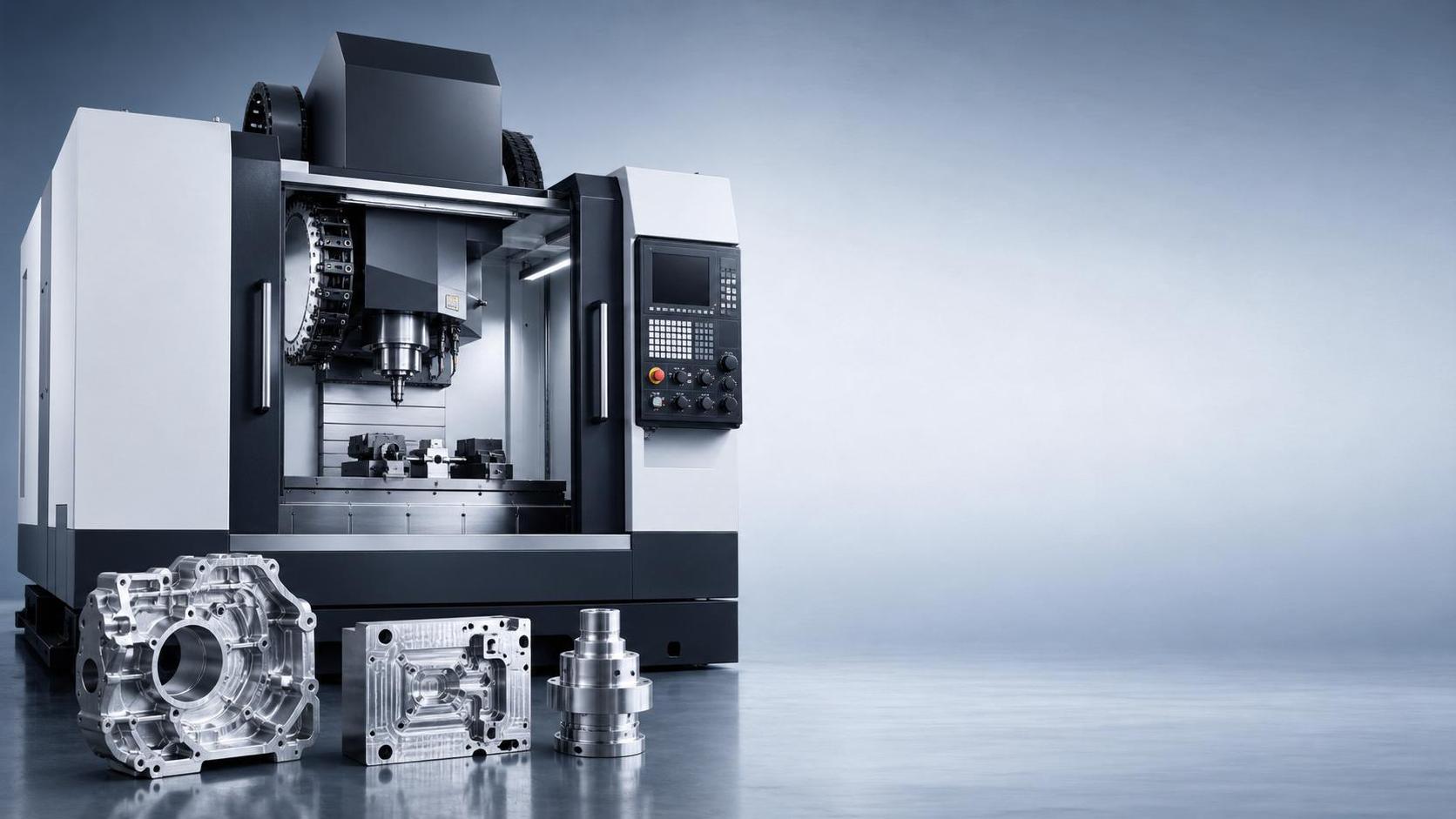
A cnc and vmc machine comparison often becomes clearer in mold bases, aluminum enclosures, valve bodies, brackets, and fixture plates. These parts usually reward vertical machining simplicity.
The common pattern is easy top-down access, repeated face milling, drilling, tapping, and pocket machining. A VMC handles these steps efficiently because setup logic stays straightforward.
This matters in shorter production windows. If a part family changes weekly, the machine that reaches stable first-piece quality faster often outperforms a more flexible machine on total throughput.
For medium-size workpieces, chip evacuation, visual inspection during proving, and fixture change speed also favor the VMC route. These gains do not look dramatic on paper, but they add up daily.
Typical workpieces that align well with VMC use
- Pump and valve housings with multiple drilled faces
- Mold plates requiring cavity roughing and finish passes
- Industrial brackets with tapped holeas and flat datums
- Control cabinet parts, covers, and machined panels
- Fixture components that need repeatable hole position accuracy
Jobs Better Served by a Broader CNC Platform
There are many cases where a cnc and vmc machine are not interchangeable. Parts with cylindrical geometry, compound angles, or several datum-sensitive sides often need wider CNC capability.
Consider hydraulic shafts, transmission elements, impeller-related blanks, or custom metal components combining round and milled features. Multiple transfers raise error risk and consume inspection time.
In these jobs, the advantage is process consolidation. Fewer handoffs mean fewer opportunities for concentricity drift, clamping distortion, or mismatch between turned and milled surfaces.
A cnc and vmc machine review should therefore ask whether the part gains more from open vertical access or from keeping more operations inside one controlled cycle.
Material choice changes the answer too
Aluminum, engineering plastics, and mild steel often fit VMC workflows well, especially when cycle time depends on fast face access and quick tool changes.
Harder alloys, stainless grades, and workpieces with deeper engagement zones may push the decision toward a CNC setup with stronger rigidity, more process control, or multi-axis support.
Different Production Scenarios Do Not Ask for the Same Thing
The real challenge is not choosing the “best” machine in general. It is matching the cnc and vmc machine choice to the production behavior behind the parts.
A prototype workshop may value easy program edits, visible cutting conditions, and low setup complexity. A stable export line may care more about unattended runtime, fixture standardization, and process repeatability.
Where Selection Errors Usually Happen
One frequent mistake is comparing a cnc and vmc machine only by headline specifications. Travel, spindle power, and rpm matter, but they do not reveal setup friction or transfer loss.
Another error is treating all box-shaped parts as identical VMC work. Some housings need multi-face positional control that becomes expensive if every side requires a separate reclamp.
Cost is also misread when only purchase price is considered. Tool access, fixture design, scrap during proving, maintenance intervals, and retraining time often reshape the total result.
In actual deployment, environment and support conditions matter as well. Stable service, tooling compatibility, and long-term machine reliability are part of application fit, not afterthoughts.
Checks worth making before locking the machine plan
- Map the part family by shape, datum strategy, and annual volume
- Review how many setups each workpiece really needs
- Confirm tooling reach, chip control, and fixture clearance
- Estimate scrap exposure during first-run process tuning
- Compare maintenance effort with expected production intensity
A Practical Way to Decide the Better Fit
The useful approach is to judge a cnc and vmc machine against the parts that drive the most value or the most difficulty. One representative workpiece often tells the truth faster than a long specification sheet.
Start with the dominant materials, the most tolerance-sensitive surfaces, and the number of planned setups. Then compare those needs against cycle stability, fixturing effort, and future order variation.
When the workload centers on plates, cavities, housings, and routine hole patterns, a VMC usually delivers a cleaner path. When geometry becomes more integrated and transfer-sensitive, broader CNC capability pays back faster.
For long-term planning, the stronger decision standard is not machine popularity. It is whether the selected cnc and vmc machine path supports precision, output consistency, and manageable operating risk across changing jobs.
A sound next step is to sort current parts by geometry, setup count, material, and tolerance priority. That creates a practical basis for comparing machine fit, implementation difficulty, maintenance demand, and total production cost.
