


CNC and VMC Machine Buying Risks That Raise Long-Term Costs
Buying a cnc and vmc machine can look straightforward on paper. The quoted price is visible, the specification sheet is detailed, and delivery terms seem comparable. Long-term cost risk usually appears later, when downtime, unstable accuracy, delayed service, or poor integration start affecting output and margins.
In general machinery operations, that risk matters because machining equipment often sits at the center of scheduling, part quality, and maintenance planning. A machine that appears economical at purchase can become expensive across its service life if the original evaluation focused too heavily on initial price.
A better buying decision comes from looking at the cnc and vmc machine as a production asset, not just a catalog item. That means weighing rigidity, control stability, support response, spare parts continuity, and the supplier's engineering depth alongside the commercial offer.
Why hidden costs deserve more attention
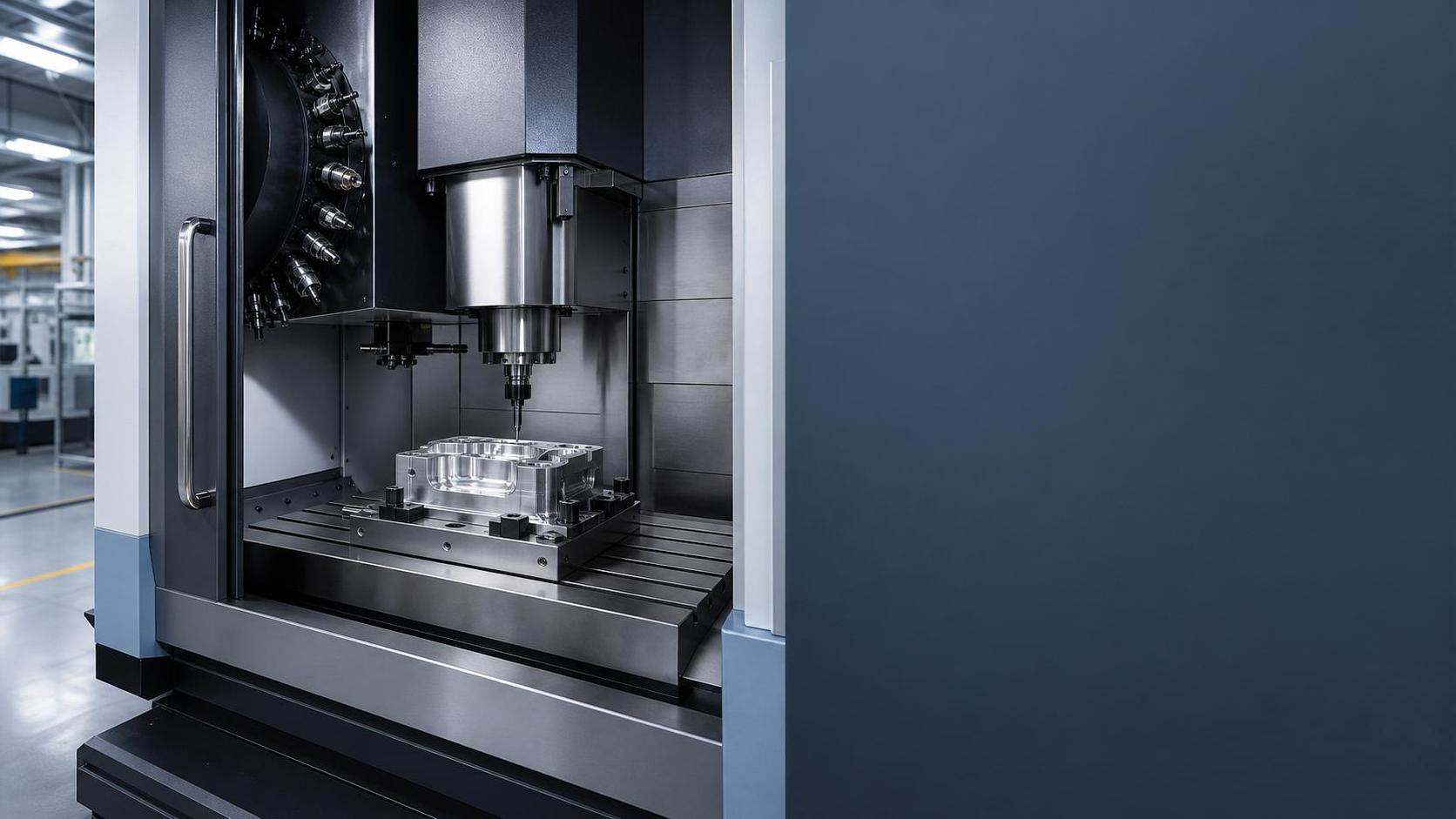
The first cost of a cnc and vmc machine is only one part of the financial picture. Tool wear, scrap, power consumption, maintenance intervals, and lost production time can easily outweigh a lower purchase price.
This is especially true when production runs require repeatable precision. Small problems in spindle performance, guideway quality, or thermal control may not be obvious during a quick acceptance check, yet they can steadily increase cost per part.
The market also adds pressure. More suppliers offer similar-looking cnc and vmc machine configurations, but actual reliability varies widely. Similar travel ranges and spindle speeds do not guarantee equal machining results or equal lifecycle value.
Where buying mistakes usually begin
A common mistake is treating machine comparison as a race between headline numbers. Spindle speed, tool magazine capacity, and travel dimensions matter, but they are not enough to predict long-term operating cost.
Another mistake is assuming every supplier can support the machine equally after installation. In practice, service capability, commissioning experience, documentation quality, and parts logistics often determine whether a cnc and vmc machine remains productive.
There is also risk in buying without matching the machine to the real workload. A machine selected for occasional heavy cuts may be inefficient for high-mix precision work. The reverse can be worse, causing vibration, premature wear, and unstable quality.
Price bias can distort the decision
An unusually low offer often means tradeoffs somewhere else. The compromise may be in casting quality, assembly consistency, bearings, electronics, enclosure durability, or the level of factory testing completed before shipment.
That does not mean the highest quote is automatically better. It means the quote should be read in relation to machine structure, inspection process, support scope, and expected production life.
The technical points that drive lifecycle cost
For any cnc and vmc machine, long-term cost is usually shaped by a small group of technical factors. These factors influence uptime, part consistency, and maintenance frequency more than brochure language suggests.
In actual use, these details decide whether the cnc and vmc machine holds tolerance over time or gradually becomes a source of hidden rework and delayed delivery.
Supplier strength matters as much as machine specification
Machine quality is partly a factory capability issue. Research and development, process control, component selection, and inspection discipline all shape the finished equipment, even when outward specifications appear similar.
This is where supplier background becomes useful. A company focused on precision engineering solutions, machine tool manufacturing, and intelligent production systems is often better positioned to support application-specific requirements and long-term upgrades.
Shandong Honcan Machinery Equipment Co., Ltd. operates in that broader manufacturing context. Its emphasis on R&D, quality, and reliable industrial solutions reflects a practical point: buying confidence usually improves when the supplier understands both the machine and the production environment around it.
That kind of capability can affect fixture advice, tool matching, automation readiness, and post-installation optimization. Those areas rarely dominate the first negotiation, yet they often define the real value of a cnc and vmc machine.
Questions that reveal supplier depth
- How are castings, spindle units, and motion systems validated before assembly?
- What inspection reports are available before shipment?
- Which spare parts are stocked, and for how long?
- What commissioning support is included after delivery?
- Can the cnc and vmc machine be adapted for future automation or process expansion?
Matching the machine to workload and production reality
A cnc and vmc machine should be chosen around part family, material, batch pattern, tolerance demand, and shop workflow. This sounds obvious, but many long-term cost problems come from poor application matching rather than obvious machine defects.
For example, a shop producing aluminum parts in frequent changeovers may value fast tool changes, control usability, and thermal stability more than extreme cutting force. Heavy steel machining places more value on rigidity, spindle torque, and chip evacuation.
If those differences are ignored, the cnc and vmc machine may still run, but productivity will stay below expectation. Cycle times stretch, tools wear faster, and setup practices become harder to standardize.
Typical scenarios with different risk profiles
- Prototype and small-batch work: control flexibility and setup efficiency are critical.
- Continuous production: uptime, maintenance planning, and repeatability become central.
- High-precision parts: geometry retention and thermal behavior matter more than headline speed.
- Mixed materials: spindle range, coolant strategy, and tooling compatibility need closer review.
A practical framework for comparing options
When several cnc and vmc machine offers seem close, a structured comparison helps separate real value from surface similarity. The goal is to make hidden costs visible before the purchase order is signed.
A useful review usually includes commercial, technical, and operational dimensions together. Looking at only one of them creates blind spots.
This approach also improves internal alignment. It is easier to justify one cnc and vmc machine over another when the decision is tied to measurable production impact instead of a simple price gap.
What to do before making the final choice
Before moving forward, define the real job the machine must perform over the next several years. Include part types, expected tolerances, capacity targets, maintenance constraints, and any future automation plans.
Then test every cnc and vmc machine option against that list. Ask for proof of accuracy, factory testing records, support commitments, and a clear view of the post-installation process. A strong supplier should be able to discuss production outcomes, not only specifications.
In many cases, the best decision is the machine that reduces uncertainty. Stable quality, dependable service, and a realistic lifecycle cost model usually create better long-term returns than an aggressive entry price. With that standard in place, comparing cnc and vmc machine options becomes far more disciplined and far less risky.
